Summer break should be about playing in the sun and making memories, but for too many families, it’s about hungry kids without the support of school meals. Guardians know all too well the pressure of providing nourishing meals for growing kids. And not every school district can provide that much-needed support outside of regular sessions.
Feeding America, Kentucky’s Heartland is expanding our efforts to ensure kids in our region can focus on summer fun instead of when they will eat next. This comes after seeing the impact and growing need when we initiated the program in two counties in 2025. For both Green and Casey Counties, we distributed weekly boxes with breakfast & lunch, a total of 14 meals per kid each week.
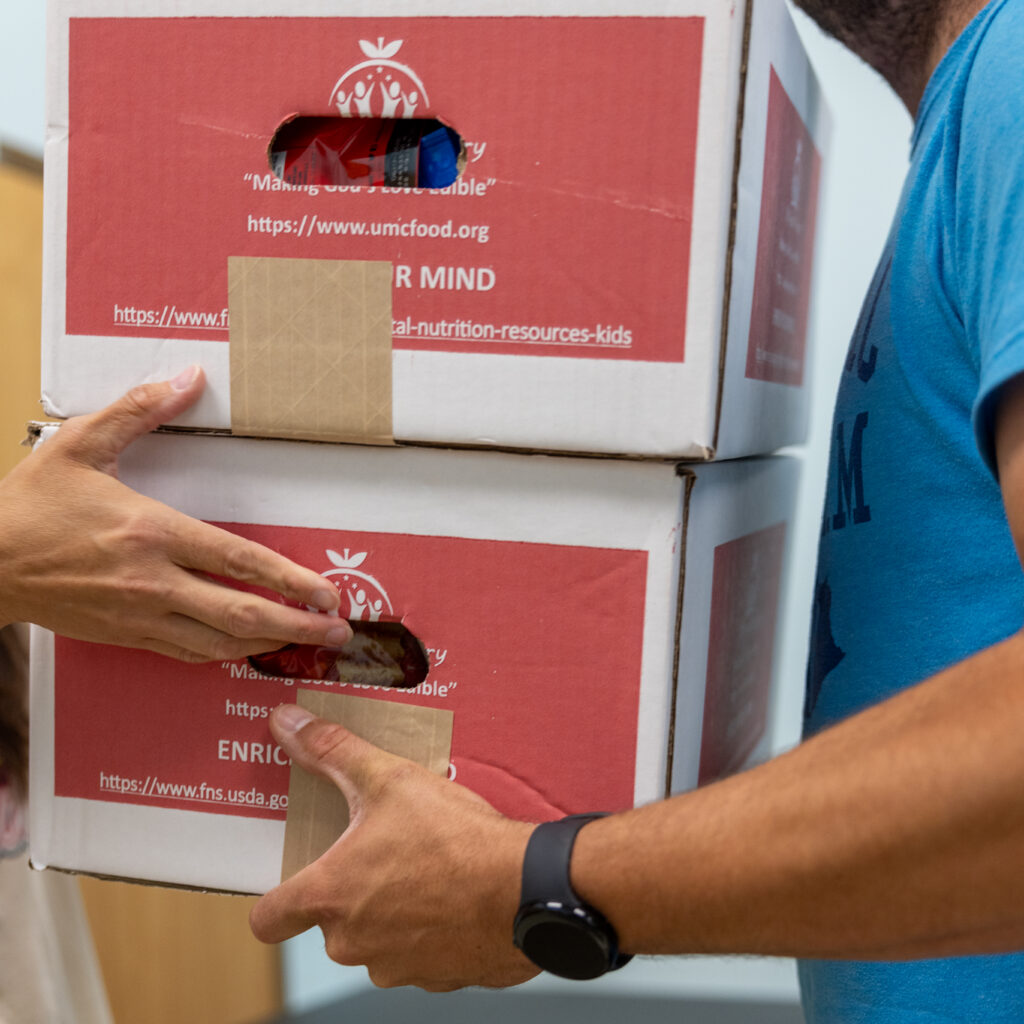
Summer 2025 Field Notes:
- Green County: 8,564 Meals
- Casey County: 13,328 Meals
- Total of 21,896 Meals
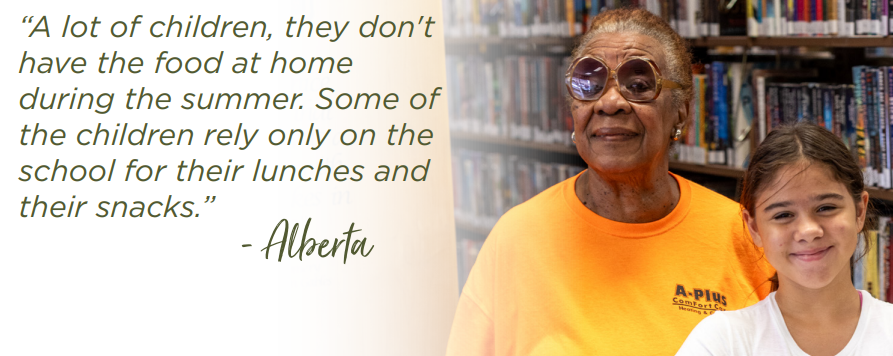
This initiative meant every county in Kentucky had a summer feeding program for the first time in years. And each week, we saw an increase of neighbors requesting a box for their child. Neighbors like Alberta received shelf-stable meals for the three great-grandchildren she’s raising at home.
There are two driving factors to our programming: the need and having the capacity to address it. With those factors, we are expanding this program to 11 weeks and three school districts!
Summer 2026 Plans:
- Green County: weekly box containing 14 meals – residents can pick up Fridays 11 AM -1 PM CDT at Green County Food Pantry
- Casey County: weekly box containing 14 meals – residents can pick up Fridays 11 AM -1 PM CDT at Casey County Food Pantry
- NEW Trigg County: weekly box containing 14 meals – residents can pick up Mondays 4 PM – 6 PM CDT at Main Street Pavilion
We also plan to provide meals to families at a migrant camp in our region.
These plans would not be possible without our network of agency partners, vendors and supporters, as well as funding from the USDA through the Kentucky Department of Education. Whether it is due to an emergency or the result of long-term challenges, hunger is complicated and requires a community to address.
1 in 4 children in our region are food insecure. To learn about our feeding kids programs, visit this page on our website.